
How to Help My Reactive Dog on Walks
You’ve got a dog who barks, lunges, or growls on the lead. Walking them through Edinburgh’s parks or pavements feels like a battle. Everyone has advice for you:
“Take them into busier places.”
“Correct them when they react.”
“Expose them until they get used to it.”
No. That doesn’t work. That’s called flooding - and it doesn’t fix reactivity. It suppresses it. Your dog might look calmer but they’re actually churning up inside. And when they erupt, it’s usually worse.
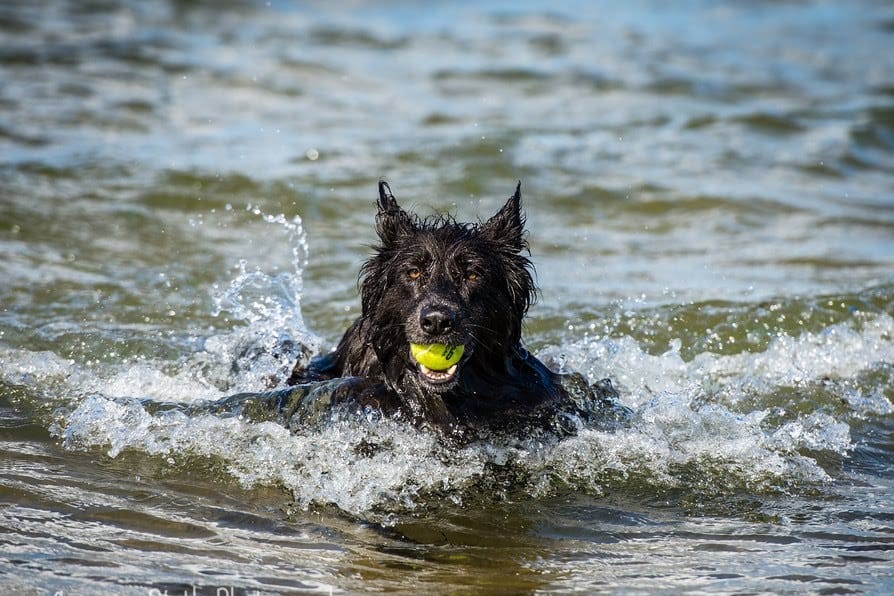
Think of it like this: Throwing a child with a fear of water into the deep end of a swimming pool and yelling “swim.”
Maybe they scramble to the side, maybe they don’t. You might have to wade in to get them out of the situation you put them in.
And if you throw them in often enough, will they survive? Probably. They’ll learn to swim.
Will they ever love it? No.
Will it cause them untold psychological damage? Absolutely.
And will it wreck your relationship? Hell yeah.
That’s exactly what happens with flooding and it’s why positive, science-led reactive dog training is about calm, structured support, not punishment.
.
Tips on How to Help your Reactive Dog
1: Give yourself a break
If nearly every walk ends in meltdown, STOP! A few days off does more good than another stressful outing. If you’ve got a garden and your dog toilets there, fine. Decompress & reset.
2: Choose Your Walks Wisely
Ditch narrow paths where you can’t escape. Avoid parks full of off-lead dogs charging up to you. Pavement walks are fine; your dog doesn’t need grass unless they’re toileting. Calm beats chaos every time.
If you’re local, there are plenty of quieter options near Edinburgh and West Lothian where you can find space and avoid the crush of busy dog-walking hotspots.
And now there are plenty of freedom fields where you can take your dog to have some much needed and necessary off lead time
3: Rule Out Pain in Reactive Dogs
This is the bit most people ignore. Veterinary studies show over 80% of reactive dogs are in pain. Imagine being pushed into stressful situations while hurting. No wonder they explode. Dogs are masters at internalising pain and often show no symptoms. You may never know unless you get a thorough vet check for pain - (neurological, digestive & physio)
4: Build Control, Not Corrections
Loose lead walking won’t cure reactivity, but it stops you being dragged head-first into conflict. A solid recall matters too—even if you only use it in secure fields. Obedience training gives you control and that gives you options.
5: Rethink the Walk for your reactive dog
Walks aren’t about marching from A to B. They’re about helping your dog feel safe outside. That means:
-
Scatter feeding treats in the grass
-
Tug or toy play to redirect energy
-
Drop food behind you and loop back
-
Stopping to sniff instead of ploughing forward
If all you manage is a calm 10 minutes in a quiet spot, for now, that’s progress.
6: Learn to Manage Situations
Your best tool isn’t a correction. Spot trouble early. Manage the situation before the explosion. We will teach your dog that following you out of a situation is safe. Later, when you both know what you’re doing, you can use those sightings as training opportunities. Not before.
7: Get the Right Help
Reactivity doesn’t just disappear. Without support, it gets worse. You end up a professional dodger; early morning walks, ducking behind cars, avoiding half your neighbourhood. And your dog’s world shrinks with yours.
A qualified, reward-based trainer who understands dog reactivity can change that. Ideally one who’s lived with a reactive dog themselves. They’ll understand the toll it takes on you as much as on your dog.
The Bottom Line
Living with a reactive dog is exhausting, but it’s not a dead end. I've been there!
Change doesn’t happen overnight, and it isn’t about forcing them through fear. It’s about time, patience, and a chain of wins that build trust.
Some dogs may never love every encounter, but they can learn to feel safe again and you can learn to walk without that knot in your stomach.
If you’re ready to make that shift, the first step is finding the right support. Contact Pentlands Dog Training today to start working on calmer walks and a happier dog