


Adolescent Dogs. Why the "Teenage Years" are Really the "Terrible Twos"
Dog trainers often talk about adolescent dogs, comparing them to human teenage years. I mean there are similarities: sudden independence, selective hearing and the hormonal behaviour. But if you think about it, the comparison between humans and dogs doesn’t quite hold up, does it?
When a human becomes a teenager at 12 or 13, they’ve already had well over a decade of life experience. In that time, parents have been able to teach them the basics of communication, social norms, family rules, and boundaries. By the time adolescence kicks in, a child usually has some kind of moral compass. Yes, they might test limits and make questionable choices, but those choices are made in the context of years of prior learning.
Now, compare that to a dog. When your puppy hits six months and enters adolescence, they’ve only been alive for half a year. At most, they’ve had four months in your home. You’ve been building a relationship, but you’re still learning each other’s language. They’re still figuring out the rules of your world and so are you.
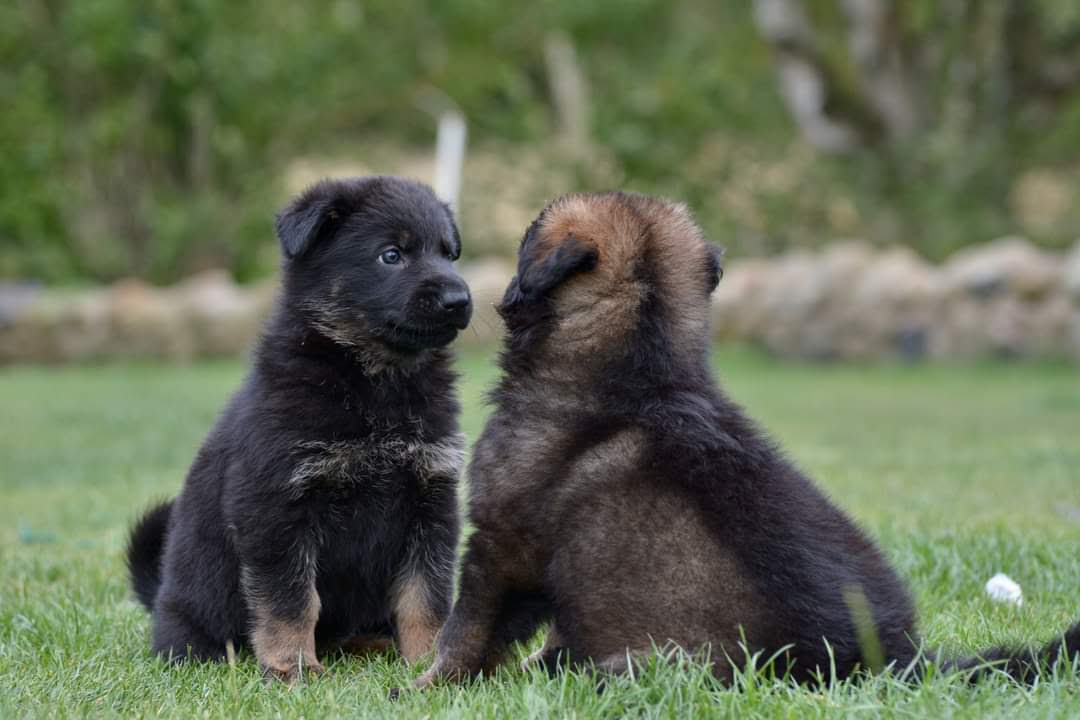
And here’s the key difference: many owners are still finding their feet as trainers when their puppy hits this stage. That means the dog has had only a few months of structured guidance, often with someone who’s never trained a dog before. Expecting them to have the self-control or “moral compass” of a teenager is unrealistic.
That’s why I prefer to think of dog adolescence as the late toddler stage. Think “terrible twos,” not rebellious 15-year-old. Your adolescent dog is curious, excitable, and prone to pushing boundaries—not out of spite or defiance, but because they are still learning how to navigate the world.
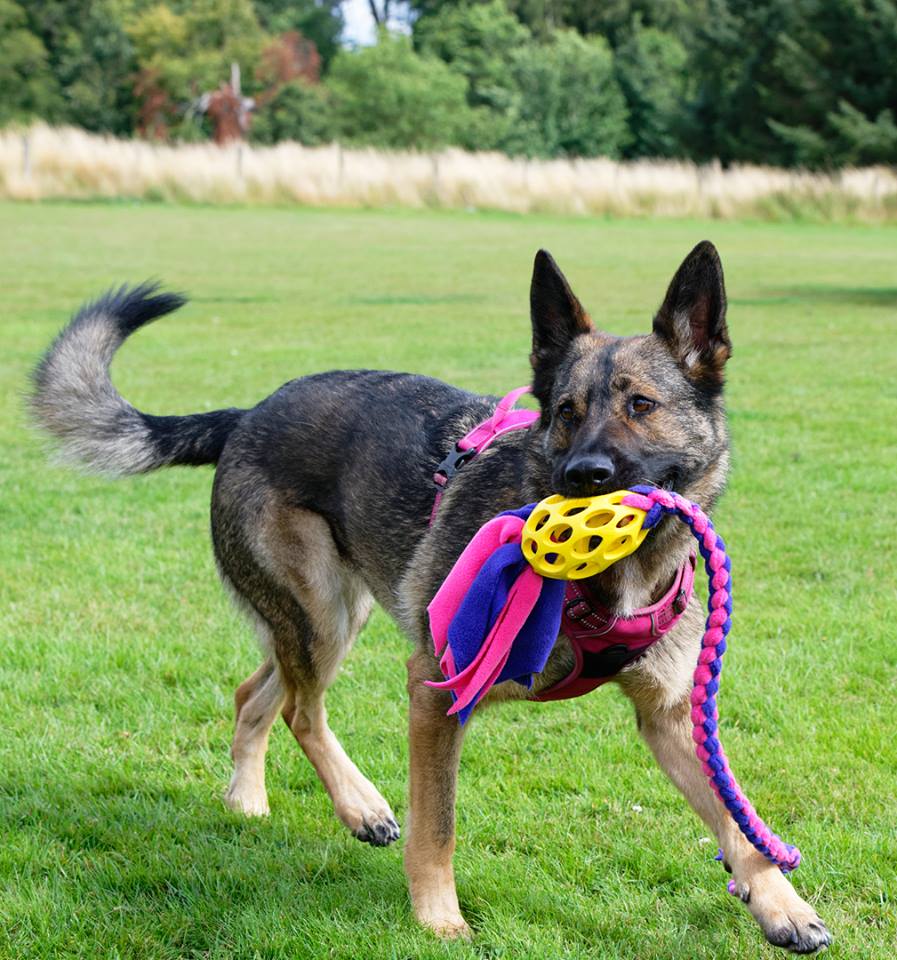
The good news?
This stage doesn’t last forever. With consistent, positive training, clear boundaries and patience, most dogs settle into mature, reliable adults by around three years old, depending on the breed. You won’t be living with a whirling dervish of chaos the whole time.
So, the next time your “teenage” dog forgets their recall or decides that your carefully tended garden is the perfect spot for a zoomie session, remember, they’re not plotting your downfall. They’re just toddlers with big paws, growing brains, and a whole lot left to learn. Your job is to guide them through it so that, by the time they reach true adulthood, you have a great relationship with your dog that you can take anywhere without worry.
Survival Tips for Dog Owners
Get help before it goes awry. Get yourself a qualified and experienced puppy trainer to guide you through these stages
Reinforce the good stuff. Catch your dog doing something right and reward it—calm behaviour is worth noticing.
Manage the environment. If they can’t make the wrong choice, they can’t rehearse it. Use leads, long lines, and baby gates when needed.
Avoid the blame game. They’re not being “naughty” to wind you up. They’re experimenting and learning what works.
Channel the chaos. Give them outlets for energy—training games, puzzle feeders, scent work, safe off-lead runs.
Stay consistent. Rules are only rules if they’re the same every day. Mixed messages slow learning and confuse your puppy.
Play the long game
It’s a stage, not forever. Keep your cool, keep training, and remember—you’re raising your future adult dog.
For toys tough enough to survive the chaos, support local small business, Ruff Raggies for quality training and food-interactive toys that keep active minds and mouths busy
And if you’d like support through the puppy and toddler stage, I can help you with tailored training that keeps learning fun for both you and your dog.