


Grass Seeds: The Hidden Summer Danger for Dogs
It’s that time of year again; long grass and seeds everywhere. Every summer vets see a spike in cases of grass seeds working their way into paws, ears, eyes and even under the skin.
These seeds aren’t just a nuisance. Their barbed shape means they only travel one way and that's inwards. Once they get into fur, skin or an orifice, they keep burrowing until they’re surgically removed. Left untreated, they can cause infections, abscesses or even migrate deep into the body.
A real case: seed in the eye
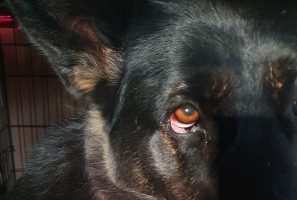
This week one of my own German Shepherds came in from a walk with a sore, red, swollen eye. At first glance you might think it’s a trauma or just irritation. But with grass seeds, that irritation can mean a seed lodged under the eyelid or even working its way behind the eye. Seeds in the eye can be extremely painful and if not dealt with promptly, can cause long-term damage.
As you can see, she was feeling particularly sorry for herself but she did get a scatter of treats for letting me look in her eye to check it. She's fine now!!
Where else they cause trouble
-
Paws – Seeds slip between toes, puncture the skin and start tunnelling. You might spot constant licking, a swollen sore or what looks like a “cyst” that won’t heal.
-
Ears – Dogs often shake their head violently after a walk in long grass. One seed in the ear canal can cause pain, infection, or in rare cases, migrate further.
-
Skin and body – Seeds don’t stop at the surface. There are cases of seeds migrating into the chest, bladder or even the heart sac. Symptoms vary from a lump under the skin to coughing, fever or sudden lethargy.
What to watch for
-
Sudden head shaking after a walk
-
Constant paw licking or limping
-
Red, swollen eyes or sudden squinting
-
Lumps, draining tracts or wounds that don’t heal
-
Unexplained fever or lethargy
Prevention
-
Avoid long, seedy grass where you can
-
Check your dog thoroughly after walks: paws, ears, armpits, groin, eyes
-
Brush out any seeds before they work in
What not to do
Don’t try to dig seeds out with tweezers. They snap or disappear deeper. If you suspect a seed, get to your vet. Early removal is quick and straightforward. Delay makes it serious.
Grass seeds are tiny but the damage they cause is anything but. A daily check after walks takes minutes and can save your dog weeks of pain and vet visits. Stay alert, keep the seeds out and you’ll keep your dog safe to enjoy the rest of summer.