07986 632851 rizia@pentlandsdogtraining.co.uk

07986 632851 rizia@pentlandsdogtraining.co.uk


Puppies are a blank slate! It sounds nice and hopeful but it is not true. Every dog arrives already wired with generations of selective breeding
Genetics is the word you are looking for. It is the blueprint that runs through every fibre of your puppy and determines their health, temperament and instincts.
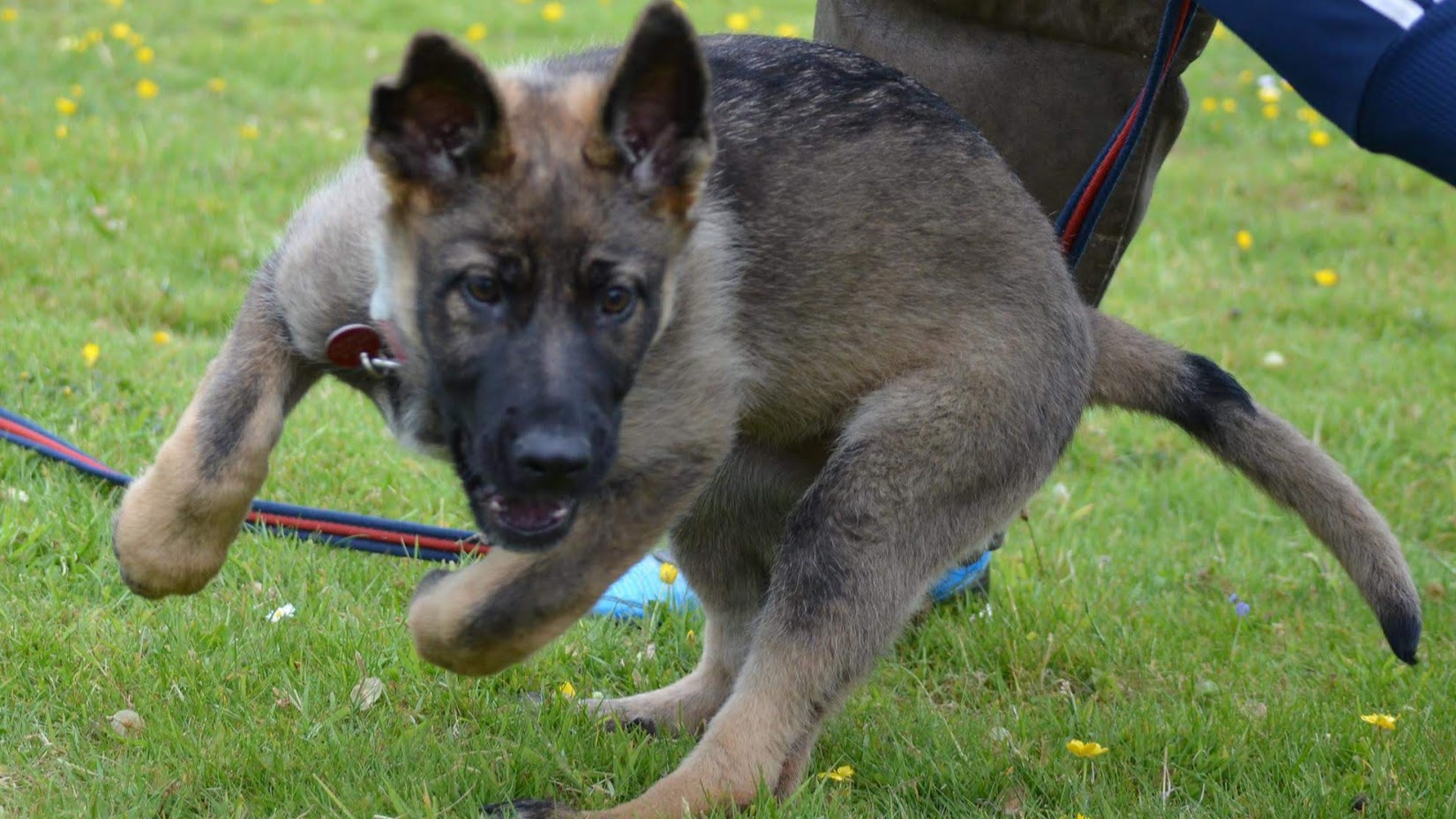
You can shape behavior. You can teach a recall and reward calmness but you cannot train a spaniel not to sniff or a collie not to stare. Just like you would not ask a pug to round up sheep or expect a bulldog to win an agility championship.
Think of dogs like tools. you don't pick up a hammer and expect it to act like a paintbrush.
If your idea of exercise is a gentle wander to the park, do not pick a Working Line German Shepherd or Malinois and wonder why they want to noise up other dogs. Do you want a calm sofa buddy? Skip the collies and spaniels.
That is not prejudice. It is respect for them and for you.
Herding breeds are made to control things that move. They will herd, chase, nip and bite.
Spaniels love to quarter ahead through fields. They do not naturally walk beside you in a straight line. Gun dogs are bred to work at a distance
Guardian breeds do not like strangers in/near their home. They are doing the job handed down to them from centuries of selective breeding.
Terriers hunt, kill and disappear down holes
Sighthounds will chase and disappear into the horizon
Check out my Blog: Good Dog, Wrong home: Why So many Dogs Struggle
Good breeders do not just put two pretty dogs together. They test for health, genetic issues and temperament and only breed sound dogs. They know that reactivity, anxiety, hip/elbow dysplasia and a myriad of problems can all be inherited.
If both parents are sound and stable your odds improve. If they are nervous or untested then, yes, your puppy could inherit health and behavioural issues.

Genetic drive: Hunt and kill vermin. Dig find chase and work alone
Health: Patellar luxation. Skin issues. Legg Calve Perthes
Behavior: Tenacious. Vocal. Independent. High prey drive
Genetic drive: Grip work and guarding and human attachment
Health: Joint problems. Breathing issues. Skin allergies
Behavior: Affectionate with humans. Physical play. Can be dog selective
Genetic drive: Control and move livestock through eye stalk chase and nip
Health: Hip dysplasia. Epilepsy. Eye disorders
Behavior: Quick to react. Hypervigilant. Needs mental work
Genetic drive: Protect home and property
Health: Joint issues. Heart problems. Bloat
Behavior: Reserved with strangers. Strong bonds. Needs careful socialising
Genetic drive: Chase by sight at high speed
Health: Heart murmurs. Bloat. Fragile skin
Behavior: Calm indoors. Explosive outdoors. Sensitive
Genetic drive: Quarter ahead. Flush and retrieve
Health: Ear infections. Eye issues. Hip problems
Behavior: Busy. Nose down. Hard to teach loose lead walking
Genetic drive: Retrieve game to hand. Work with handler
Health: Obesity. Joint issues. Ear and skin infections
Behavior: Biddable. Mouthy. Food driven
Genetic drive: Point and hold game. Cover ground fast
Health: Hip dysplasia. Epilepsy. Bloat
Behavior: Intense. Sensitive. High prey drive
Genetic drive: Guard property and family
Health: Joint problems. Heart issues. Short lifespan. Skin folds
Behavior: Steady. Loyal. Low energy. Wary of strangers
See The Kennel Club for more info
You cannot train genetics out of a dog. You can only give your dog appropriate outlets so those instincts do not find their own destructive way out.
Fail to give a spaniel a job, don't be shocked when they go self employed. Deny a collie stimulation and their mental health will suffer. Ignore a guardian breed’s suspicion and its good luck with unannounced visitors.
The only way to beat genetics is to break the dog and we are not doing that.
If you have already got your puppy or dog and you are thinking this is more work than I thought, don't worry. You just need the right outlets and a plan.
Every dog can thrive when their instincts are understood and supported. You do not have to figure it out alone. I can help you work out what activities will suit your dog’s genetic blueprint and your lifestyle. There are lots of options now; scentwork, tracking, mantrailing, herding games, pet gundog training, breed specific workshops. Activities that help your dog and make your life easier.
You want to enjoy your dog. Your dog wants to enjoy life. A little advice from the right people can make that happen.
You can find me here at PENTLANDS DOG TRAINING
By Pentlands Dog Training
If you’ve ever wondered why dogs ignore you on walks and found yourself shouting their name across a field while they pretend they’ve gone deaf, you’re not alone.
It usually starts so well. You get your puppy at eight weeks and they’re your shadow. They stick close, check-in and look to you for everything. You feel smug. “Recall? Nailed it.”
Then they hit adolescence. Their confidence grows, their nose switches on and suddenly they’ve got better things to do.
Nothing’s gone wrong! This is completely normal. It’s a mix of maturity, confidence and genetics coming to the surface. The problem is what happens next: we humans get complacent.
The dog trots around happily, never strays far, so we relax. We pop in headphones, chat to friends and enjoy the peace. Until the day our dog buggers off after a rabbit and doesn’t come back. Then its “Bad dog!”
But what’s really happened is simple. The dog’s been self-employed for months and we didn’t notice.
Dogs are opportunists. If you don’t give them a job, they’ll find one. And their new line of work is usually entertainment: racing off to meet other dogs, chasing joggers, rabbits, birds, cars, or just digging up half a golf course.
Somewhere along the way, we stopped engaging with them. No play, no training, no connection, just a nice wander.
For the dog it’s a walk with wages: total freedom and zero responsibility.
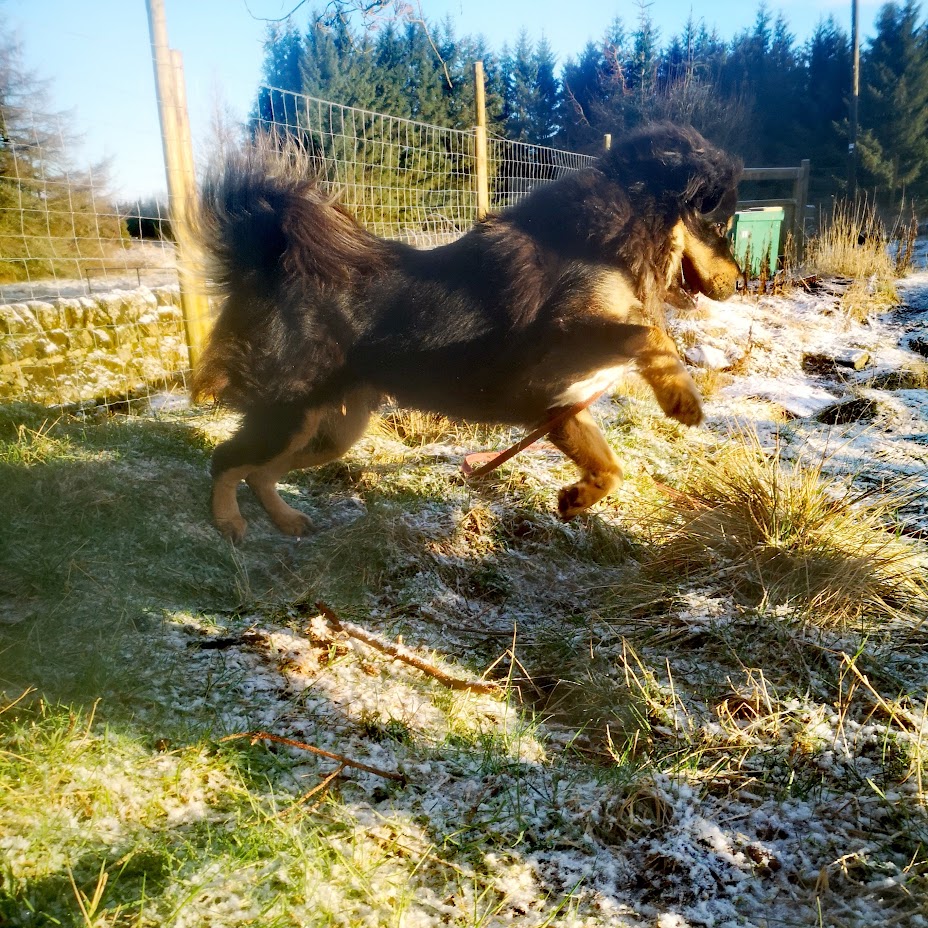
Why do dogs ignore you on walks?
Dogs that ignore you aren’t being stubborn or dominant; they’re simply doing what pays better.
You versus the environment? The environment wins.
Most dogs have learned that when they hear you call, it means “fun’s over.” Recall becomes a cue for disappointment.
There’s also the boredom factor. Many dogs get mentally under-stimulated on “easy” walks where we just trail behind them. They switch off because we have and it’s no surprise that recall collapses when a pheasant explodes out of a hedge.
And here’s another truth: too much off-lead freedom, too soon, creates bad habits. A dog who’s been allowed to make their own decisions in distracting places will struggle to suddenly hand that power back.
You don’t fix this by shouting louder. You fix it by becoming worth listening to again. That starts with engagement. Recall and focus is about your relationship with your dog, both in and outdoors.
Bring something to the walk. Treats, toys, enthusiasm; whatever your dog finds motivating. I don’t mean chucking a ball until they’re dizzy. Interactive play matters more: tug games, hiding a toy or dummy for them to find or short retrieves where they bring the toy back to you, not just launch into orbit with it.
Make yourself the best part of the walk. Mix food rewards with play. Use a jackpot when they come flying back to you, like lots of roast chicken or a game of tug. Practice short bursts of recall when it’s quiet then build up gradually as distractions increase.
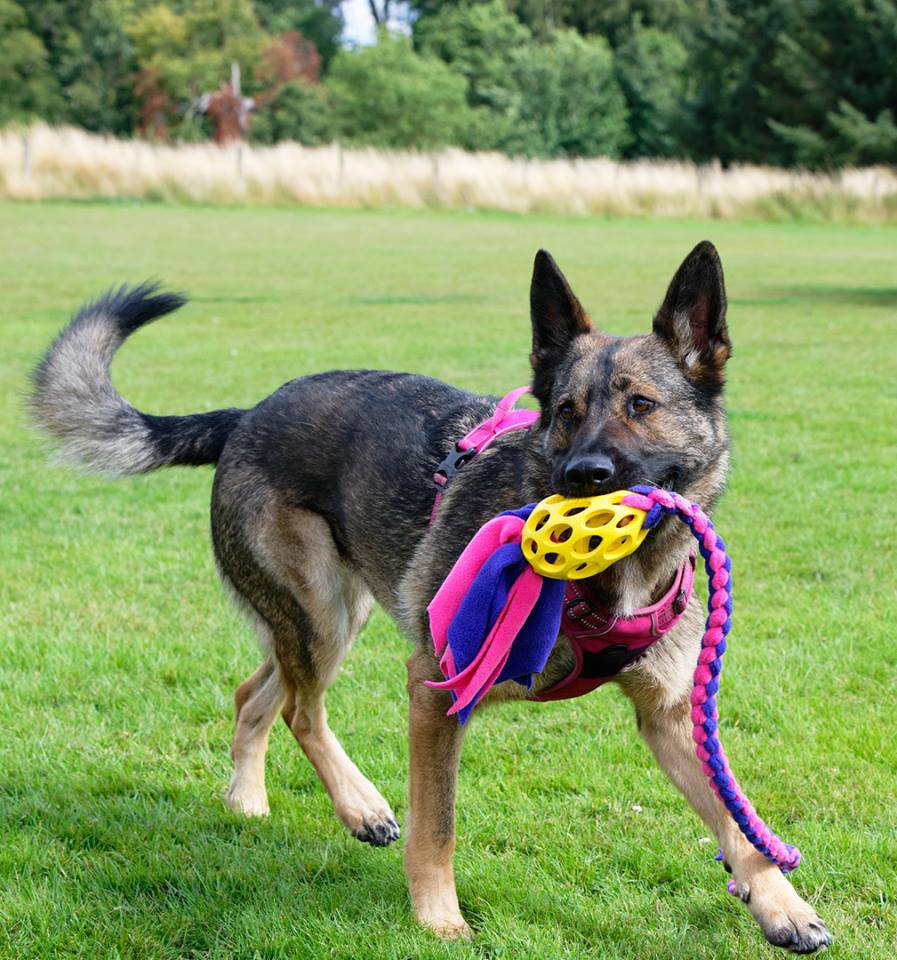
Support small local businesses and get your dog toys from Ruff Raggies in East Lothian and Online.
Pattern games like “1-2-3” or “This Way” can work wonders for dogs who have learned to tune you out. They create predictability, calmness and focus. Sprinkle them through your walk, especially before the environment gets too exciting. You’re teaching your dog that paying attention pays better than disappearing
If your dog has already learned to self-reward, meaning the thrill of the chase or exploring beats coming back, then you’ll need management.
Use a long line until recall is solid. It keeps everyone safe and gives you a chance to train and rebuild trust safely.
You can still give them freedom in a secure area or a run-free field of which there are plenty near me in West Lothian and lots more near Edinburgh.
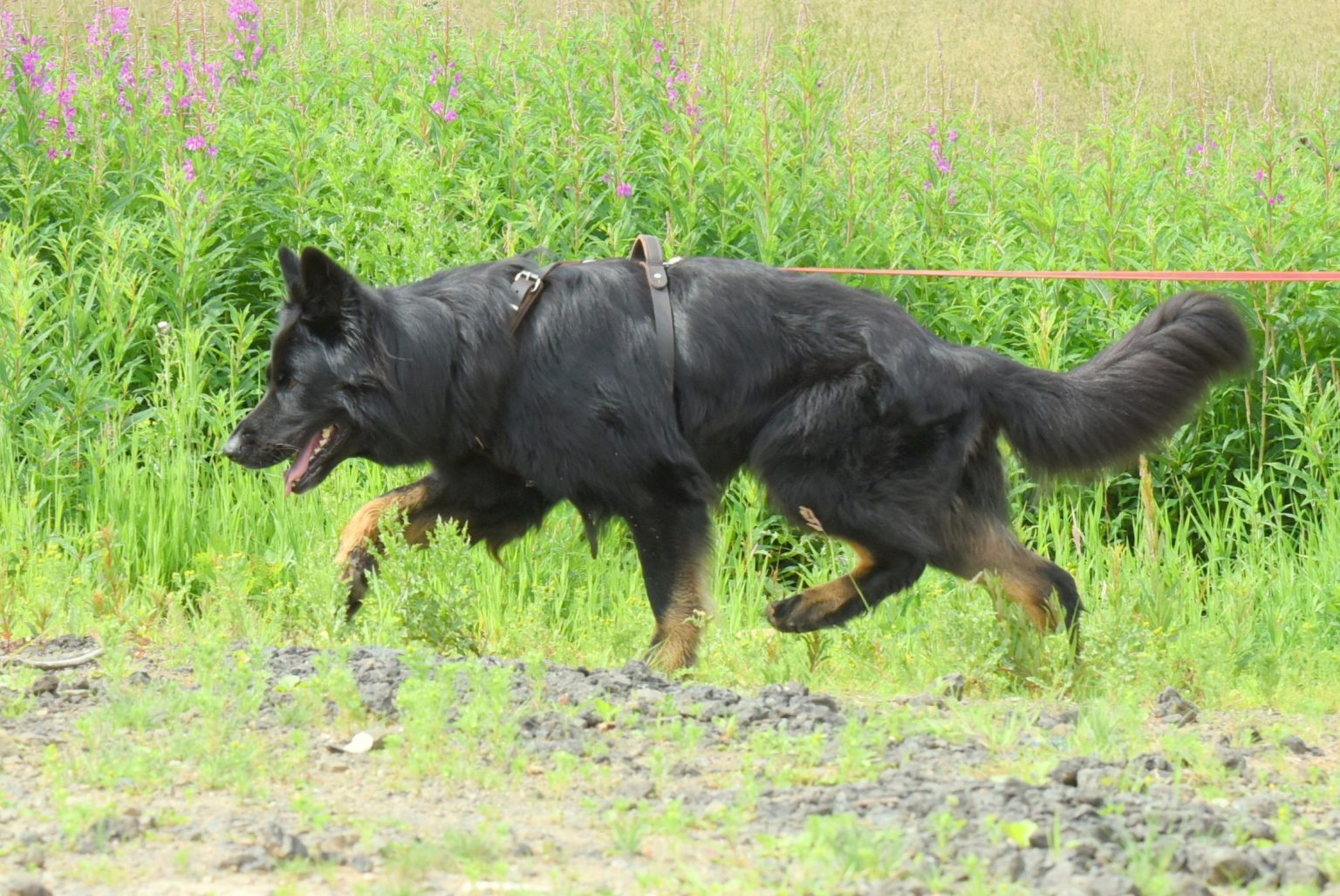
Don’t turn the whole walk, every walk into a training session. Let them sniff, explore and decompress. Just make sure you’re part of that world.
Don’t walk the dog, walk with your dog.
If your dog thinks you’re just a background extra they’ll edit you out of the scene entirely.
So now you know why dogs ignore you on walks; they’re not being bad, they’re being a dog who has learned that life can be fun without you. Your job is to make life with you the better deal.
Start small, reward big, keep it interesting and remember: Recall isn’t a command, it’s co-operation that you build through trust and reward and lots of fun.
Its a conversation you have with your dog; Make sure yours is worth listening to
I’m seeing more and more good dogs ending up in the wrong homes.
Not because there’s anything “wrong” with the dogs or the people but they are choosing breeds that simply don’t match their lifestyles. And it’s the dogs who suffer while their people usually end up miserable too.
There’s this ever growing trend where people buy high-drive working breeds like fashion accessories.
Collies, Spaniels, Shepherds, Terriers, Guardians are bred for purpose, drive, stamina, and intelligence and are handed over to people who expect them to be calm and compliant: A school run buddy, a good looking pub/cafe ornament, a weekend amble when the weather is nice; a walk in the park type low maintenance dog.
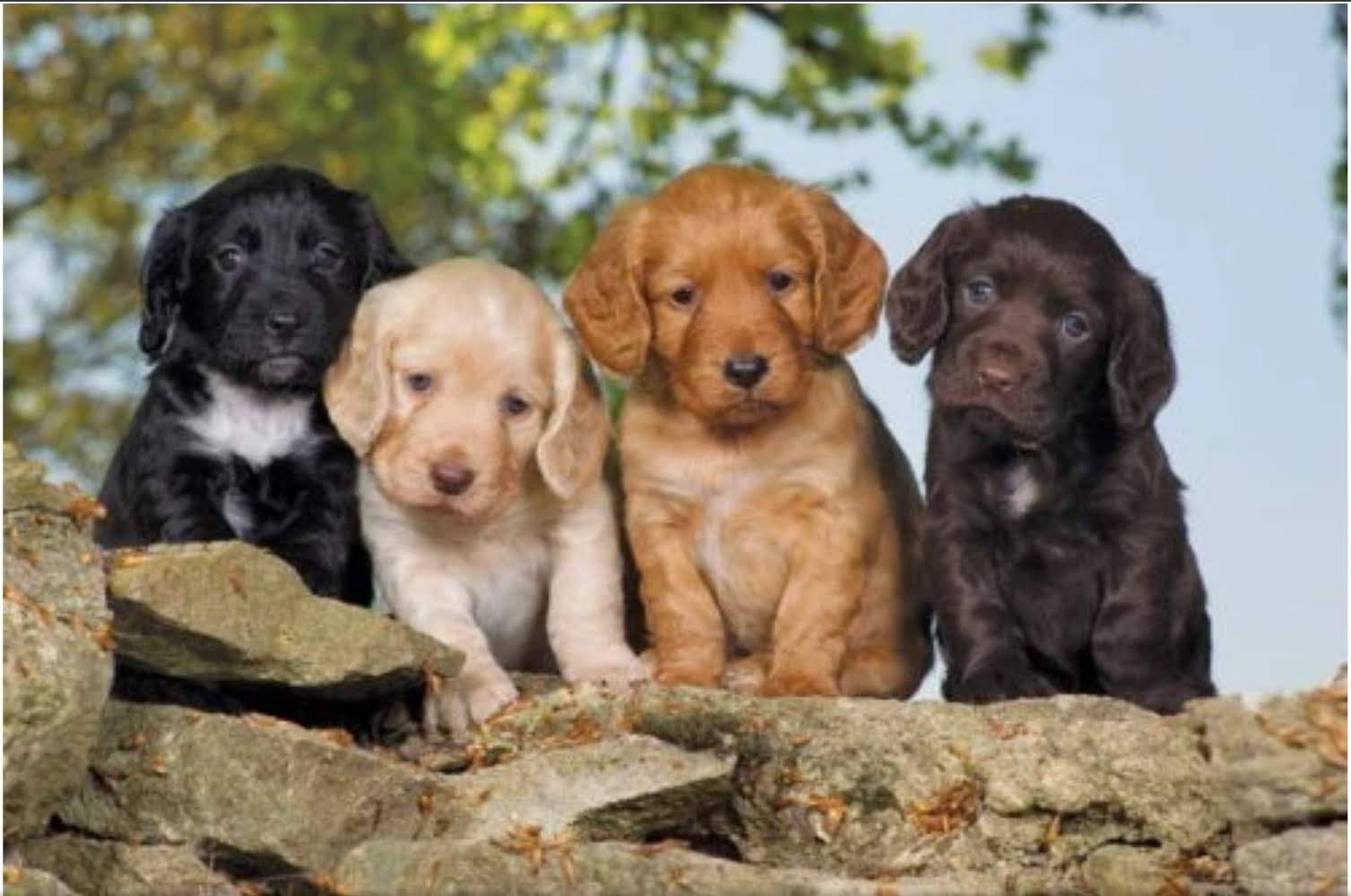
But here’s the reality:
If you’re not going to meet your dog’s needs, don’t buy a working breed.
If you’re not going to put in the time to train, don’t buy a puppy.
And if what you really want is a chilled-out café or sofa buddy, a weekend walking mate and a dog to help you get out meeting people, there are plenty of wonderful, versatile breeds and rescues that fit that bill perfectly.
Here’s what a lot of people don’t realise until it's too late:
Puppies, especially from working lines, aren’t a few months of training followed by years of easy companionship. Raising a dog properly takes years of work. At least three solid years before you’ve got a stable, balanced adult and that’s only if you get it right!
Even then, working breeds don’t just “grow out of it.” They will always need a job, an appropriate activity, something to do.
And they are not dogs to learn how to train with. You need to be able to train, have knowledge of that breed's needs and behaviour and have practical skills behind you. Without that and unless you're prepared to spend a lot of time and money, it's inevitable that issues will arise.
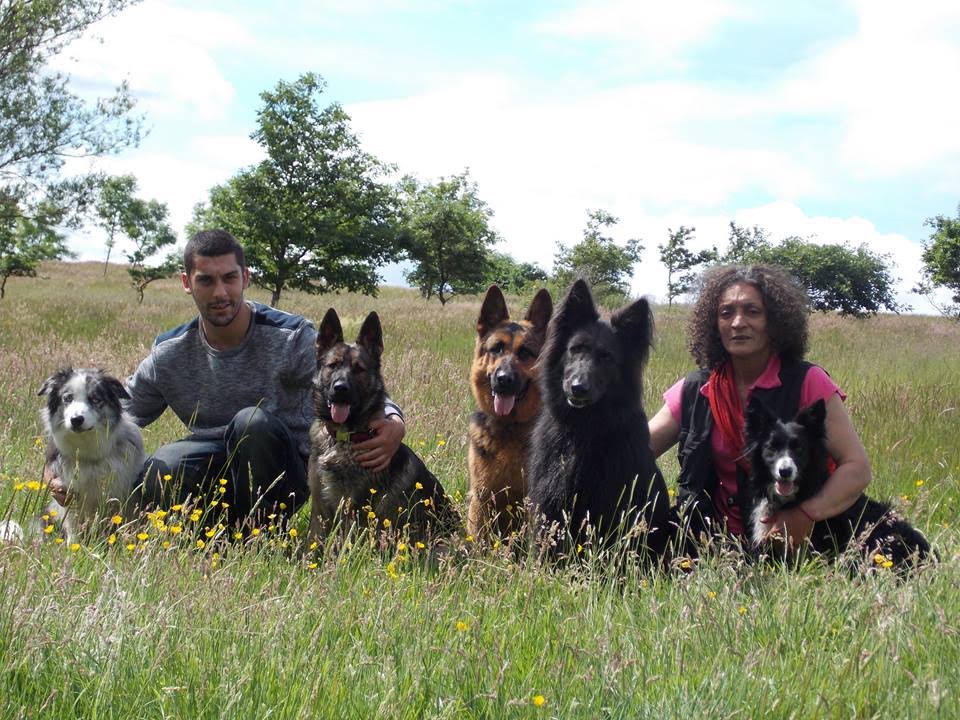
Too many of these dogs end up paying the price for human choices. Some are heavily medicated to help them make it through the day
Others break down mentally from sheer boredom, like a super intelligent athlete locked in solitary confinement.
Many are barely walked because their owners can’t cope once they’re outside. The chaos, the pulling, the chasing, the overreactions are exhausting, so they give up trying.
And then what? The dog becomes “unmanageable” through sheer frustration, lack of exercise and mental enrichment
The owners can’t handle them, cant walk them. Exposure to the situations that could be worked on, stops and their world closes in even more. From here it's a downward spiral!
They’re surrendered to rescue if they’re lucky enough to find one with space. And if there are no spaces?
Sometimes the outcome is far worse if they wait until the dog's behaviour is so extreme that they can't be safely rehomed.
It’s a harsh truth, but choosing the wrong dog for your life and the people around you can sign that dog’s death warrant or condemn it to a life not worth living.
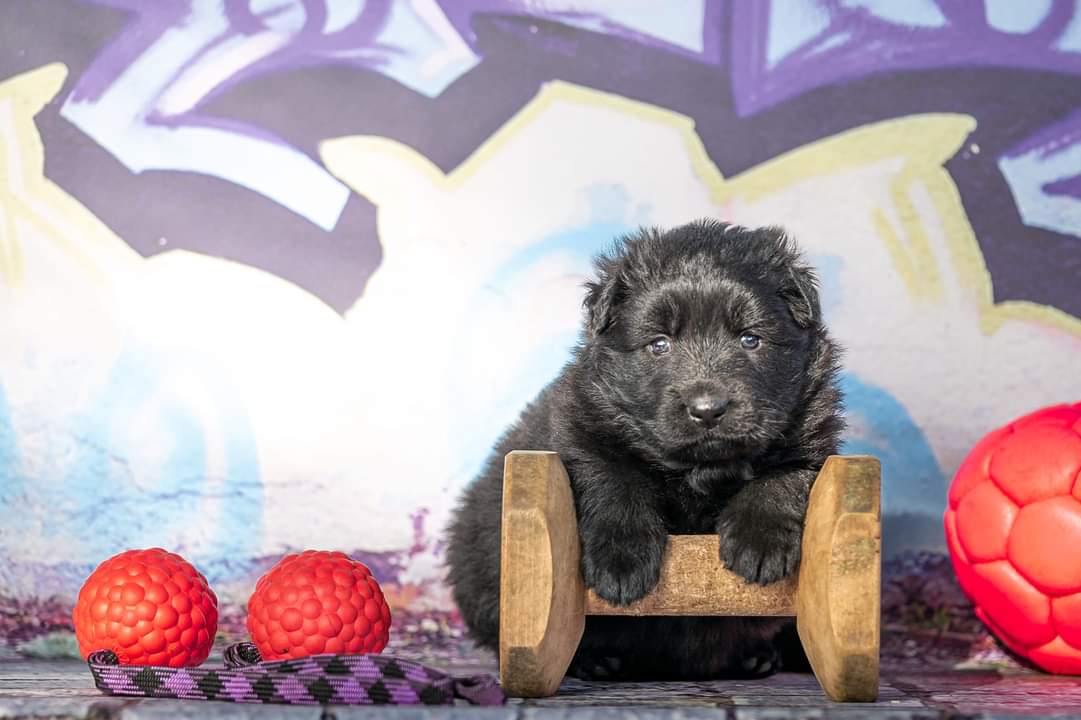
Getting a puppy will change your life completely. If you’ve never had one before, it’s like having a child. They are constant, demanding, expensive, destructive and rewarding. And that's the precursor to 2-3 years of adolescence.
If that doesn’t sound appealing, don’t get a puppy. And definitely don’t get a high-drive working dog. Look at alternatives like lower maintenance breeds and dogs who are past puppyhood and hoping for a forever home
Because when you get the right dog in the right home, it’s magic, it’s joy, it’s everything you hoped for and more.
But when you get it wrong? It’s a tragedy for everyone. Every single time.
If what you really want is a dog who matches your life rather than takes it over, that makes a lot of sense and is a very good idea.
Not everyone wants a full time project. You're not opting out by choosing an easier breed. It’s actually the kindest and smartest thing you can do for both of you.
And if you've already taken the plunge, there is absolutely no shame in admitting you are struggling and asking for help. That can be for training and professional advice or it may be to talk about the best course of action for both of you.
You are very welcome to have a chat with me before you decide on what dog to get or if you are already there and could do with some help, do get in touch.
Resource guarding isn’t something dogs wake up with one morning. It’s something they learn - and often, we’re the ones who accidentally teach it.
It starts young.
Your cute little puppy picks up a sock. You take it off them. At first, they don’t mind.
Then next time, they grab something and leg it. You chase them, you take it again.
They learn the game. Trouble is, it’s a game they always lose.
Next step? They hide. Still, you manage to get it.
Then they freeze over the object. You still take it.
Then a growl. You tell them off, snatch the item.
And the only thing left in their toolkit is a bite.
Every one of those steps was a warning; a polite way of saying, “please don’t take this.”
When those warnings don’t work, things escalate. And suddenly, you’ve got a problem labelled resource guarding, which stems from insecurity.
Certain breeds and groups are more likely to guard but the truth is any dog can become a resource guarder if the pattern above plays out.
Prevention is absolutely better than a cure. It can be a long road of management, training, and costly to turn it around - if you can.
It’s also one of the reasons many dogs get rehomed.
The thing people often forget is that resource guarding is natural. Humans do it all the time. We lock our doors. We guard our phones. We shut cupboards, put fences round our gardens, and hide the chocolate at the back of the cupboard so no one else gets it.
So when dogs guard, they’re not being “bad.” They’re doing what comes naturally: trying to protect something they value. And when we snatch items off them, we’re just resource guarding too, only we’re guarding our stuff.
The difference is dogs don’t understand the rules the way we do. They don’t know your sock isn’t fair game. Which is why we need to teach them, kindly and consistently, that people coming near their stuff isn’t a threat.
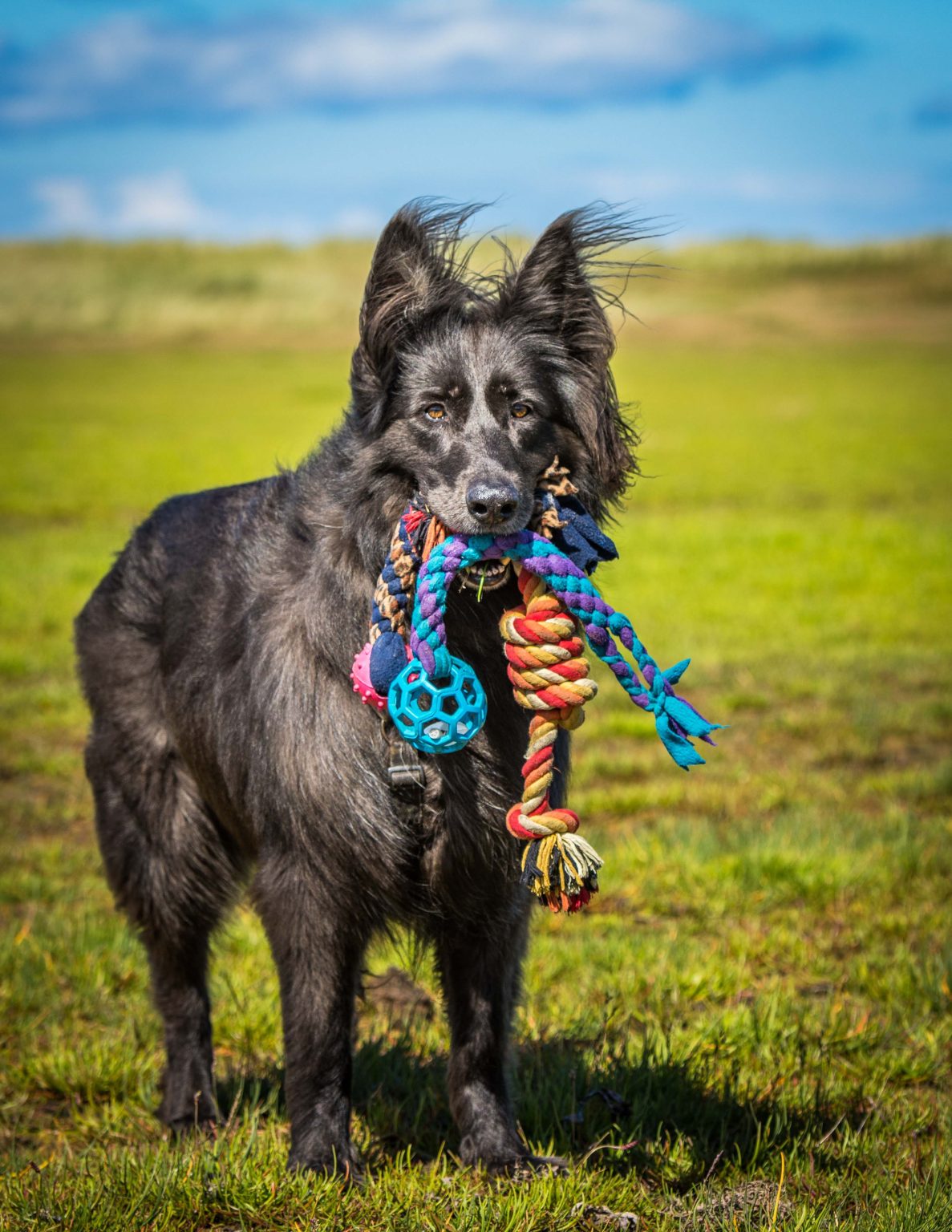
Most guarding problems never start if you build trust from day one. Here’s how:
Get down low, look around your house and garden and clear away anything you don’t want in your pup’s mouth. Prevention saves battles.
If your pup grabs a pebble, don’t swoop in. Attention makes things valuable. Keep them busy instead. Scatter half their dinner in the grass to scent out, play with them, give them food interactive toys (Kongs, Lickymats, hide treats in boxes and let them find them).
Dogs that swallow stones, socks, and toys? Nine times out of ten, it started with someone always taking stuff off them.
If you do need to get something off them, don’t just snatch it. Toss down a little scatter of treats (six or seven, not just one). While they’re eating, calmly remove the item. Do this now and again even when you don’t care about the object, so it doesn’t become a drama.
Walk past them while they’re eating or chewing and drop a tasty treat close to them or in their bowl. Don’t hover. Don’t take anything away. Just add value. Soon, your dog thinks, “Oh, people near my food? That’s good news.”
If they’ve got something in their mouth, encourage them over in a happy, relaxed way. Don’t touch their mouth. Don’t take the thing. Give them a pat, say they’re brilliant, you can drop a treat on the ground for them - let them eat it and let them trot off again with their item. This way, they’ll always feel safe coming to you, which is crucial for recall and retrieving later.
Every so often, leave a boring object out. When they pick it up, drop some treats near them but don’t take the item. You’re teaching them: “Having stuff near humans = extra rewards.”
Resource guarding is just anxiety in disguise. Dogs guard because they’re scared of losing something important, which makes them feel insecure. If they never experience that loss, they don’t learn to fear it.
So build trust. Trade - Add value - Don't sweat the small stuff - Stop stealing their stuff!
It’s one of the easiest problems to prevent, and one of the hardest to fix once it takes hold.
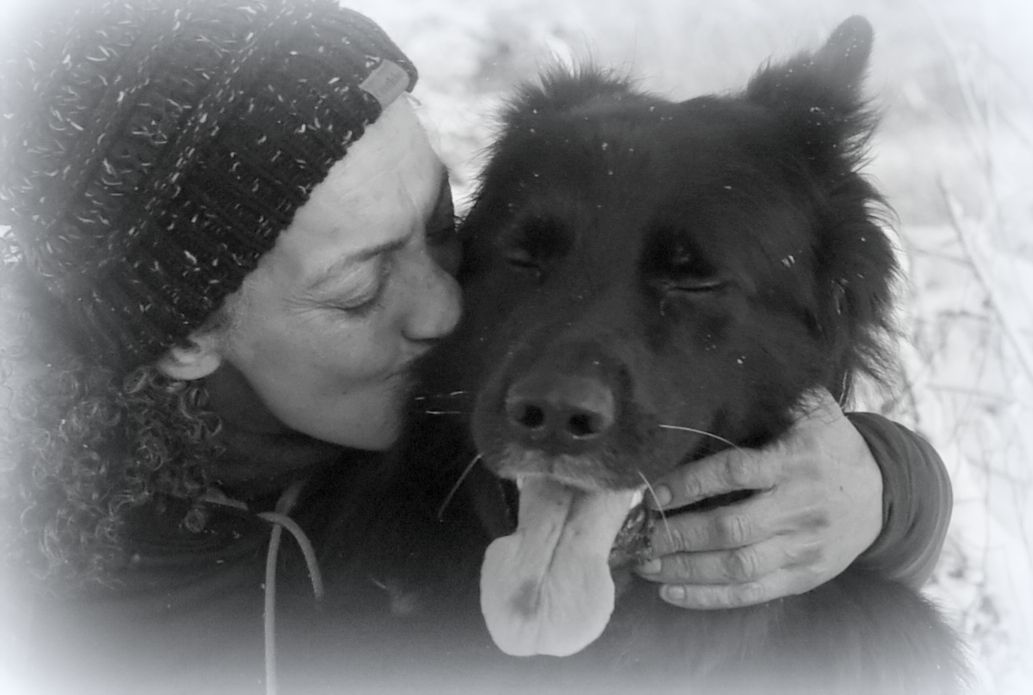
Rescuing a dog is one of the most compassionate things you can do. You’re giving a life that was on the edge of being lost another chance. But it’s also something that needs to be done with open eyes and a realistic view of the risks.
Today I had a call from a lady who had just rescued a one-year-old dog. He was literally about to be put to sleep. She brought him home and discovered that he had bitten on three occasions in the short time since he’d left his previous home. She also had young children in the house, one with special needs.
My advice was simple: don’t put yourself or your children in that position. If a dog has bitten, especially in the upheaval of rehoming, the safest route is to look for a rescue space or a home without children.
I made some calls on her behalf, and in the meantime she found someone with experience, already living with two rescue dogs, no children, and a set-up far more suited to helping this dog. He went there the same day. That quick action likely saved his life.
It’s important to say that this dog had lived with five children in his original home and had never bitten. He was only given up because of a marriage break-up. The biting happened when his world was turned upside down. New environment, new people, new expectations, and stress levels through the roof.
Any dog, under enough stress, can bite. It doesn’t make them a “bad dog.” But it does mean their margin for coping is low, and putting them in with young children is asking for trouble.
This case had a happy ending. The dog is safe. The family are safe. But it could have gone another way. Dogs with bite histories are extremely hard to rehome. The more unsuitable placements they go through, the slimmer their chances become.
If you’re thinking about rehoming or have already rehomed, it can be a difficult and emotional process. I’ve worked with many rescue dogs over the years, and I adopted my own dog, Scorch, when he was four. So I understand the challenges as well as the rewards that come with giving a dog a second chance.
Rescue is wonderful. But the right match matters more than good intentions. If you’re unsure or need advice before taking the plunge, feel free to get in touch.
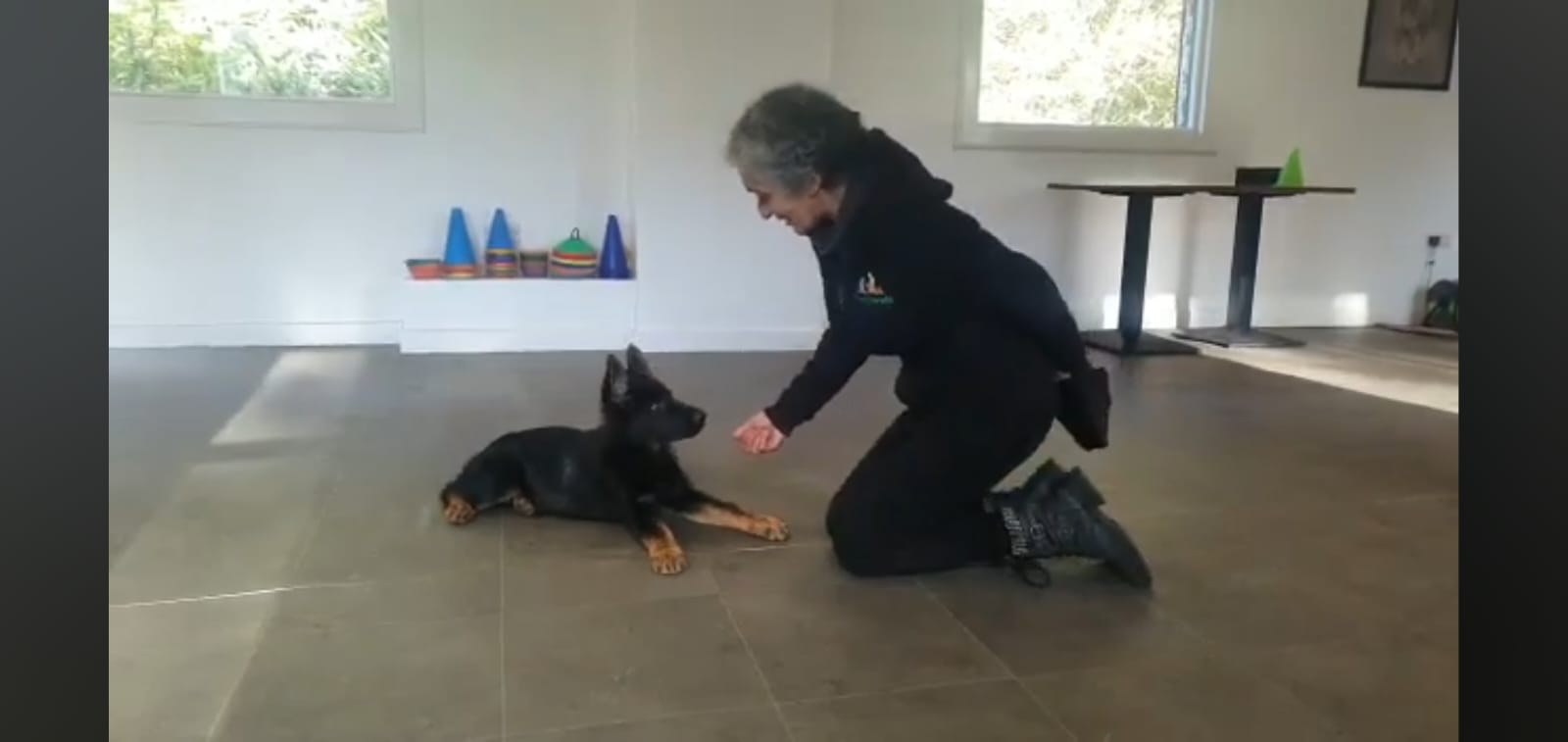
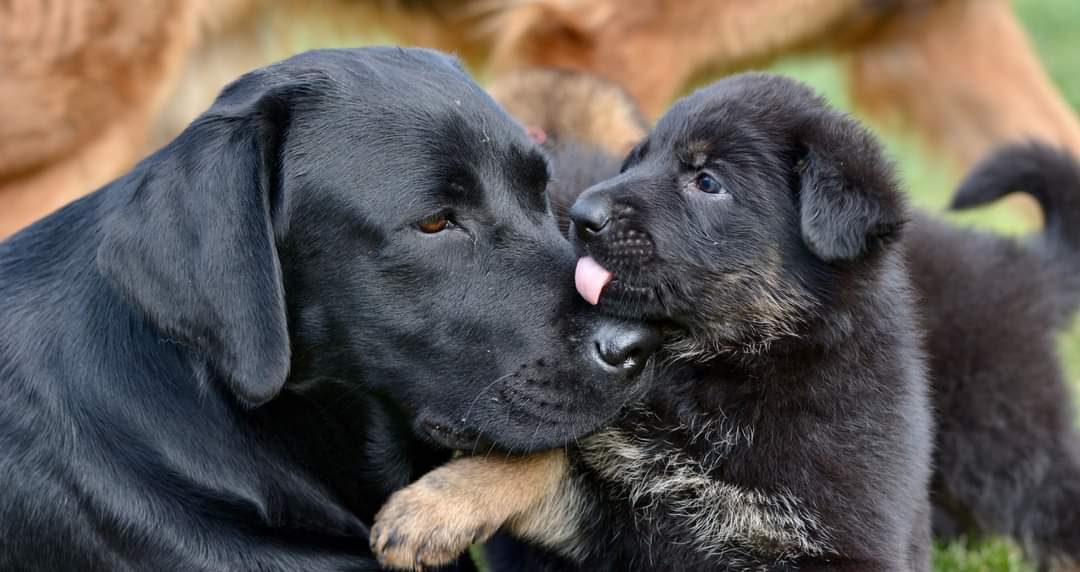
I taught at classes for years (not mine), and while some owners thrived, too many left discouraged.
It’s that time of year again; long grass and seeds everywhere. Every summer vets see a spike in cases of grass seeds working their way into paws, ears, eyes and even under the skin.
These seeds aren’t just a nuisance. Their barbed shape means they only travel one way and that's inwards. Once they get into fur, skin or an orifice, they keep burrowing until they’re surgically removed. Left untreated, they can cause infections, abscesses or even migrate deep into the body.
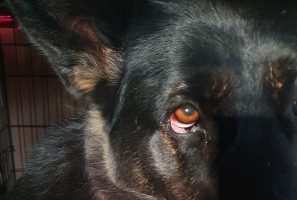
This week one of my own German Shepherds came in from a walk with a sore, red, swollen eye. At first glance you might think it’s a trauma or just irritation. But with grass seeds, that irritation can mean a seed lodged under the eyelid or even working its way behind the eye. Seeds in the eye can be extremely painful and if not dealt with promptly, can cause long-term damage.
As you can see, she was feeling particularly sorry for herself but she did get a scatter of treats for letting me look in her eye to check it. She's fine now!!
Paws – Seeds slip between toes, puncture the skin and start tunnelling. You might spot constant licking, a swollen sore or what looks like a “cyst” that won’t heal.
Ears – Dogs often shake their head violently after a walk in long grass. One seed in the ear canal can cause pain, infection, or in rare cases, migrate further.
Skin and body – Seeds don’t stop at the surface. There are cases of seeds migrating into the chest, bladder or even the heart sac. Symptoms vary from a lump under the skin to coughing, fever or sudden lethargy.
Sudden head shaking after a walk
Constant paw licking or limping
Red, swollen eyes or sudden squinting
Lumps, draining tracts or wounds that don’t heal
Unexplained fever or lethargy
Avoid long, seedy grass where you can
Check your dog thoroughly after walks: paws, ears, armpits, groin, eyes
Brush out any seeds before they work in
Don’t try to dig seeds out with tweezers. They snap or disappear deeper. If you suspect a seed, get to your vet. Early removal is quick and straightforward. Delay makes it serious.
Grass seeds are tiny but the damage they cause is anything but. A daily check after walks takes minutes and can save your dog weeks of pain and vet visits. Stay alert, keep the seeds out and you’ll keep your dog safe to enjoy the rest of summer.
Reactive dogs and living with them can be hard!
Are you worried that it's something you've done that’s caused your dog’s reactivity? Maybe your dog can be walked by someone else but they act like this with you and you wonder, "Is it me?"
Most reactive dogs are perfect, affectionate family members at home but they change as soon as the front door opens and the fresh air hits them in the face
It's a tough call doing the walk of shame with a reactive dog who is barking and lunging, hard to control and a total nightmare. You've tried things that inadvertently made it worse and now you really don't know what to do so you freeze. It's terribly stressful.
You love your dog but you you may be starting to dislike them too. And that's a sore one to admit!
Many caring, intelligent owners struggle with their dog's reactivity and blame themselves to some degree but you need to know that none of this is your fault


It's true that once you've had a few heart stopping incidents, it becomes a vicious cycle.
You become tense, panicked and defensive when you see a trigger that causes your dog to react. And so the cycle continues.
You change the times you walk, the routes you take and are constantly on edge, scanning around you. You’re both hypervigilant.
It's very lonely, stressful and depressing. You grieve for what could have been and for what you have lost.
This certainly isn't what you signed up for when you envisaged life with your dog. Like most of us, you probably envisaged a dog who is confident, happy, off lead having fun with their friends; who loves us, listens to us and is the perfect companion.
What if I told you that your dog picks up on your feelings and are reactive when they're with you because they are so invested in you.
They are totally in tune with your vibrations and emotions. They know you so well:
The tensing of the lead, the holding of your breath,
Your adrenaline pumping,
Every subconscious nuance in your body language,
The sound of your voice
Their receptiveness to even the tiniest involuntary sign from you.
Do you know what all this is?
It's a powerful testament to the beautiful bond and relationship you have together.

It's a wonderful thing and it's possible to turn this to yours and your dog's advantage. As you become surer in your ability to manage and diffuse situations, you can change the messages you send to your dog.
Your dog's trust in you will grow and then we have the beginnings of a positive cycle where you gain confidence from each other.
Imagine, once you learn to use your connection to your advantage, you could be enjoying calm walks together where you can not only predict but change your dog’s behaviour.
You could turn things around and feel proud of your dog and certain of your incredible bond.
If you're ready for a change for the better, let's talk about ways that will work for both of you
Read my blog on How to Help My Reactive Dog on Walks - HERE
Ready to start turning things around? You can check all my training services here:
Learn more about positive, science-led training methods here - Association of Pet Dog Trainers UK (APDT)
You’ve got a dog who barks, lunges, or growls on the lead. Walking them through Edinburgh’s parks or pavements feels like a battle. Everyone has advice for you:
“Take them into busier places.”
“Correct them when they react.”
“Expose them until they get used to it.”
No. That doesn’t work. That’s called flooding - and it doesn’t fix reactivity. It suppresses it. Your dog might look calmer but they’re actually churning up inside. And when they erupt, it’s usually worse.
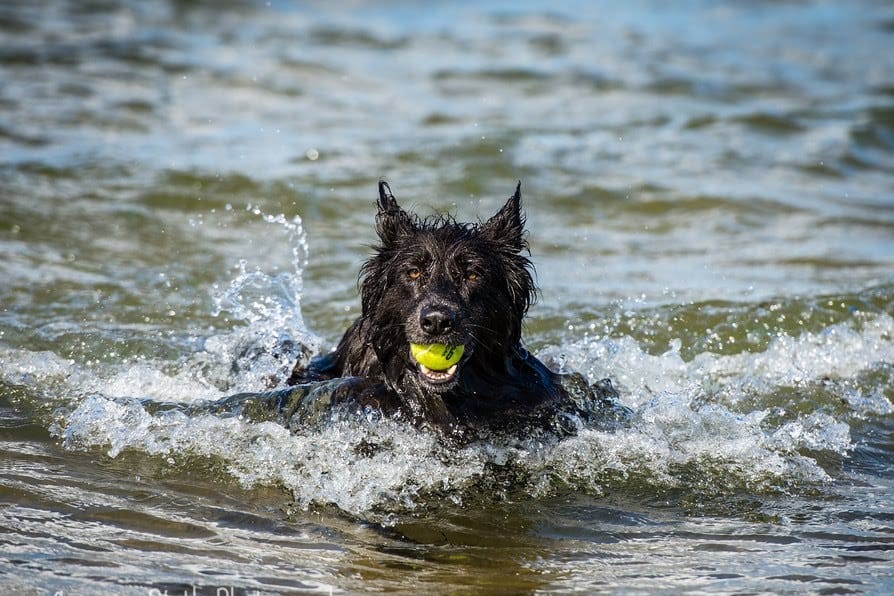
Think of it like this: Throwing a child with a fear of water into the deep end of a swimming pool and yelling “swim.”
Maybe they scramble to the side, maybe they don’t. You might have to wade in to get them out of the situation you put them in.
And if you throw them in often enough, will they survive? Probably. They’ll learn to swim.
Will they ever love it? No.
Will it cause them untold psychological damage? Absolutely.
And will it wreck your relationship? Hell yeah.
That’s exactly what happens with flooding and it’s why positive, science-led reactive dog training is about calm, structured support, not punishment.
.
If nearly every walk ends in meltdown, STOP! A few days off does more good than another stressful outing. If you’ve got a garden and your dog toilets there, fine. Decompress & reset.
Ditch narrow paths where you can’t escape. Avoid parks full of off-lead dogs charging up to you. Pavement walks are fine; your dog doesn’t need grass unless they’re toileting. Calm beats chaos every time.
If you’re local, there are plenty of quieter options near Edinburgh and West Lothian where you can find space and avoid the crush of busy dog-walking hotspots.
And now there are plenty of freedom fields where you can take your dog to have some much needed and necessary off lead time
This is the bit most people ignore. Veterinary studies show over 80% of reactive dogs are in pain. Imagine being pushed into stressful situations while hurting. No wonder they explode. Dogs are masters at internalising pain and often show no symptoms. You may never know unless you get a thorough vet check for pain - (neurological, digestive & physio)
Loose lead walking won’t cure reactivity, but it stops you being dragged head-first into conflict. A solid recall matters too—even if you only use it in secure fields. Obedience training gives you control and that gives you options.
Walks aren’t about marching from A to B. They’re about helping your dog feel safe outside. That means:
Scatter feeding treats in the grass
Tug or toy play to redirect energy
Drop food behind you and loop back
Stopping to sniff instead of ploughing forward
If all you manage is a calm 10 minutes in a quiet spot, for now, that’s progress.
Your best tool isn’t a correction. Spot trouble early. Manage the situation before the explosion. We will teach your dog that following you out of a situation is safe. Later, when you both know what you’re doing, you can use those sightings as training opportunities. Not before.
Reactivity doesn’t just disappear. Without support, it gets worse. You end up a professional dodger; early morning walks, ducking behind cars, avoiding half your neighbourhood. And your dog’s world shrinks with yours.
A qualified, reward-based trainer who understands dog reactivity can change that. Ideally one who’s lived with a reactive dog themselves. They’ll understand the toll it takes on you as much as on your dog.
Living with a reactive dog is exhausting, but it’s not a dead end. I've been there!
Change doesn’t happen overnight, and it isn’t about forcing them through fear. It’s about time, patience, and a chain of wins that build trust.
Some dogs may never love every encounter, but they can learn to feel safe again and you can learn to walk without that knot in your stomach.
If you’re ready to make that shift, the first step is finding the right support. Contact Pentlands Dog Training today to start working on calmer walks and a happier dog
Dog trainers often talk about adolescent dogs, comparing them to human teenage years. I mean there are similarities: sudden independence, selective hearing and the hormonal behaviour. But if you think about it, the comparison between humans and dogs doesn’t quite hold up, does it?
When a human becomes a teenager at 12 or 13, they’ve already had well over a decade of life experience. In that time, parents have been able to teach them the basics of communication, social norms, family rules, and boundaries. By the time adolescence kicks in, a child usually has some kind of moral compass. Yes, they might test limits and make questionable choices, but those choices are made in the context of years of prior learning.
Now, compare that to a dog. When your puppy hits six months and enters adolescence, they’ve only been alive for half a year. At most, they’ve had four months in your home. You’ve been building a relationship, but you’re still learning each other’s language. They’re still figuring out the rules of your world and so are you.
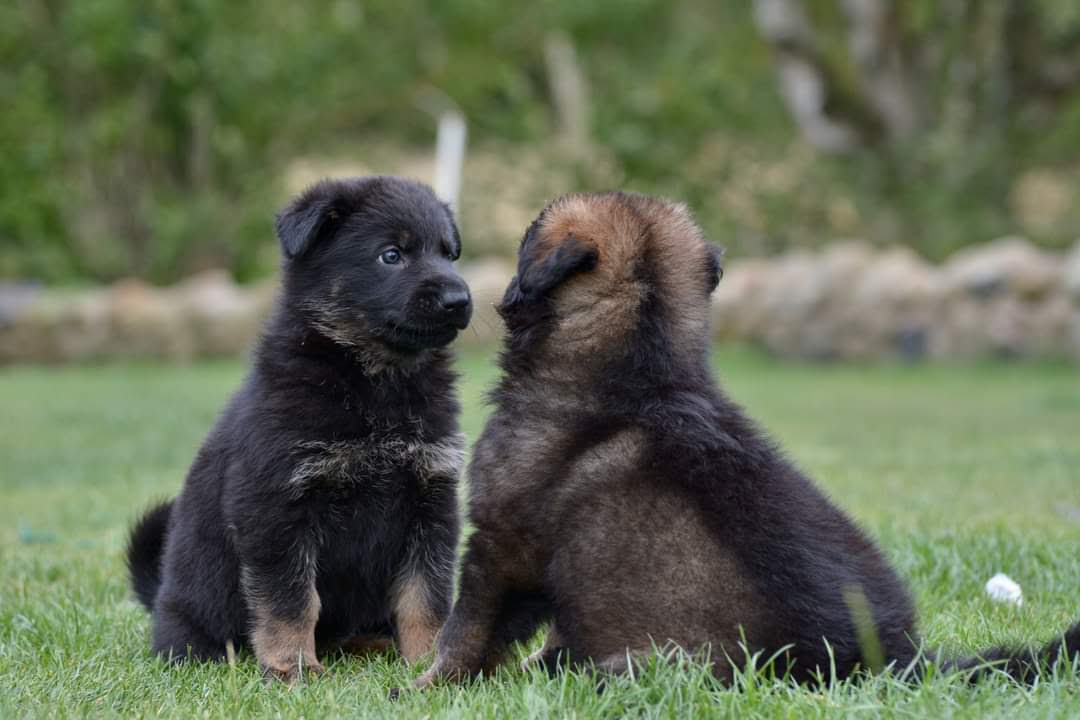
And here’s the key difference: many owners are still finding their feet as trainers when their puppy hits this stage. That means the dog has had only a few months of structured guidance, often with someone who’s never trained a dog before. Expecting them to have the self-control or “moral compass” of a teenager is unrealistic.
That’s why I prefer to think of dog adolescence as the late toddler stage. Think “terrible twos,” not rebellious 15-year-old. Your adolescent dog is curious, excitable, and prone to pushing boundaries—not out of spite or defiance, but because they are still learning how to navigate the world.
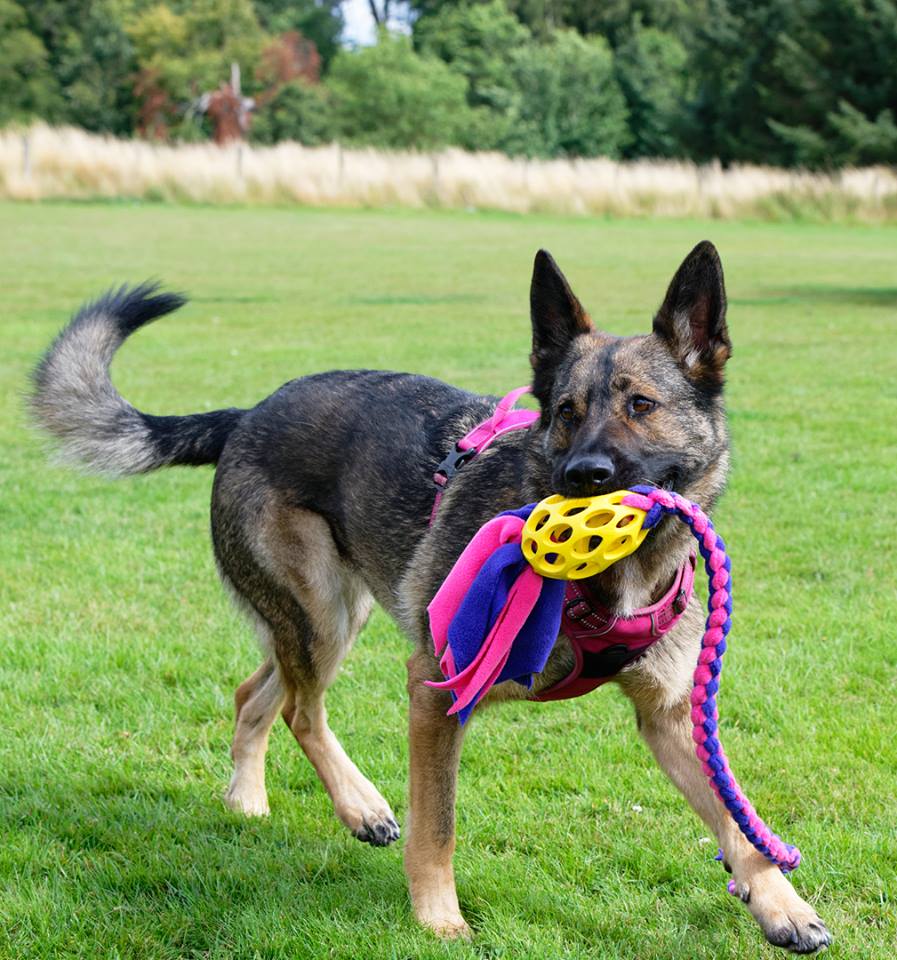
This stage doesn’t last forever. With consistent, positive training, clear boundaries and patience, most dogs settle into mature, reliable adults by around three years old, depending on the breed. You won’t be living with a whirling dervish of chaos the whole time.
So, the next time your “teenage” dog forgets their recall or decides that your carefully tended garden is the perfect spot for a zoomie session, remember, they’re not plotting your downfall. They’re just toddlers with big paws, growing brains, and a whole lot left to learn. Your job is to guide them through it so that, by the time they reach true adulthood, you have a great relationship with your dog that you can take anywhere without worry.
Get help before it goes awry. Get yourself a qualified and experienced puppy trainer to guide you through these stages
Reinforce the good stuff. Catch your dog doing something right and reward it—calm behaviour is worth noticing.
Manage the environment. If they can’t make the wrong choice, they can’t rehearse it. Use leads, long lines, and baby gates when needed.
Avoid the blame game. They’re not being “naughty” to wind you up. They’re experimenting and learning what works.
Channel the chaos. Give them outlets for energy—training games, puzzle feeders, scent work, safe off-lead runs.
Stay consistent. Rules are only rules if they’re the same every day. Mixed messages slow learning and confuse your puppy.
Play the long game
It’s a stage, not forever. Keep your cool, keep training, and remember—you’re raising your future adult dog.
For toys tough enough to survive the chaos, support local small business, Ruff Raggies for quality training and food-interactive toys that keep active minds and mouths busy
And if you’d like support through the puppy and toddler stage, I can help you with tailored training that keeps learning fun for both you and your dog.